Multi-Generation Heritage

Leadership
& Heritage

Experience, Heritage, Synergy

FOUNDING TEAM
Six domains, one purpose
Each member covers a competency this project cannot succeed without — assembled deliberately, not opportunistically.
GENERATIONS
In the DNA, not the résumé
Multi-generational marine industry families. The relationships, instincts, and market knowledge that cannot be hired.
Tens of Billions
Federal contracts captured and executed
Defense, infrastructure, and government services — by the people in this room.
COMPOUNDING
Six domains, structural synergy
Federal BD without ops credibility loses. Defense tech without program execution never ships. Each domain unlocks something the others cannot.
Founding Team

OPERATORS AND STRATEGISTS

MG Mike Diamond
Chairman
MG Mike Diamond
USA, Ret.

40+ years leading people and processes across military and corporate sectors — from theater logistics command to most senior executive roles in manufacturing, IT, and telecommunications. Industrial-scale operations leadership and organizational process optimization.
VC
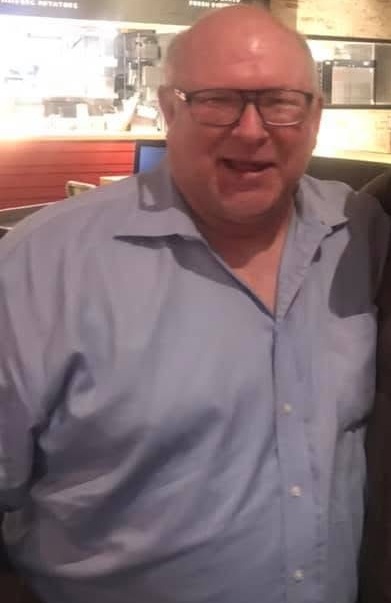
Vice Chairman
Confidential
Fourth-Generation Gulf Coast Marine Business Owner

Fourth-generation Gulf Coast marine business owner. Deep industry relationships, commercial marine market knowledge, and operational credibility that anchor TMHG's early revenue positioning.

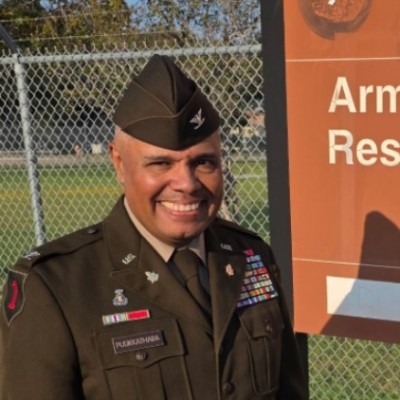
Col. Romeo Pulikkathara
Technology & Procurement
Col. Romeo Pulikkathara
USAR | JD/MBA

INDOPACOM strategic planning officer. Defense Innovation Unit Senior Portfolio Manager. Technology selection and government procurement pathways.
MG Mike Diamond (USA, Ret.) — Chairman. General Diamond brings over 40 years of combined military and corporate leadership. He commanded coalition logistics operations across the Iraq theater — leading 27,000 military and contracted personnel through the first force rotation of 125,000 troops with 20,000 pieces of rolling stock while supporting active combat operations — and directed the CENTCOM Coalition Coordination Center. Simultaneously, while serving in the Army Reserves, he built a parallel corporate career from first-line supervisor to the most senior executive level across manufacturing, retail, IT, and telecommunications — leading organizations from 10 to over 20,000 employees. He holds an MBA from UAB, an MS in Industrial Management from George Washington University, and a Master in Strategic Studies from the Army War College. That dual background — industrial-scale military logistics and corporate process optimization — is the specific operational capability required to build and run a complex production platform on a committed timeline.
Vice Chairman (identity confidential pending company naming). The Vice Chairman's family has operated continuously in the Gulf Coast marine industry for nearly seventy years — commercial vessel and component repair and services across the region's brownwater market. What began as a craft repair shop grew across four generations into one of the largest and most experienced facilities in the region. The relationships and market knowledge built across that history are the foundation from which TMHG's commercial marine credibility, foundational facility acquisition pipeline, and early revenue positioning originate. These are not assets that can be manufactured through capital — they are built across generations of operating in the industry, and they are the reason TMHG enters this market from a position of existing trust rather than starting from zero.
Col. Romeo Pulikkathara (USAR) — Technology & Procurement. Colonel Pulikkathara bridges two worlds that rarely meet: the defense acquisition system and the frontier technology ecosystem. His Pentagon Defense Innovation Unit background provides direct experience with the advanced robotics and automation systems that define 4th-generation production. His INDOPACOM strategic planning experience provides context for understanding how the defense demand side of TMHG's revenue model works — not in theory, but from inside the command structure that generates it.
John Autenreith
Program Execution
John Autenreith
Former Recon Marine

Country Director Afghanistan — delivered billion-dollar-plus infrastructure programs in austere conditions. Manages complex construction execution under constraint.
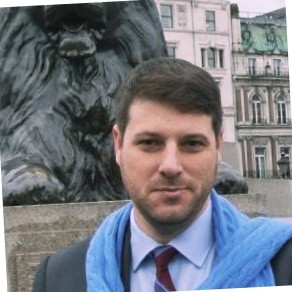
Dennis Nall
Federal Strategy & BD
Dennis Nall
JD / Economics | Former Army Officer

Tens of billions in federal contract capture and program operation across defense, infrastructure, and government services through procurement expertise and technical compliance.
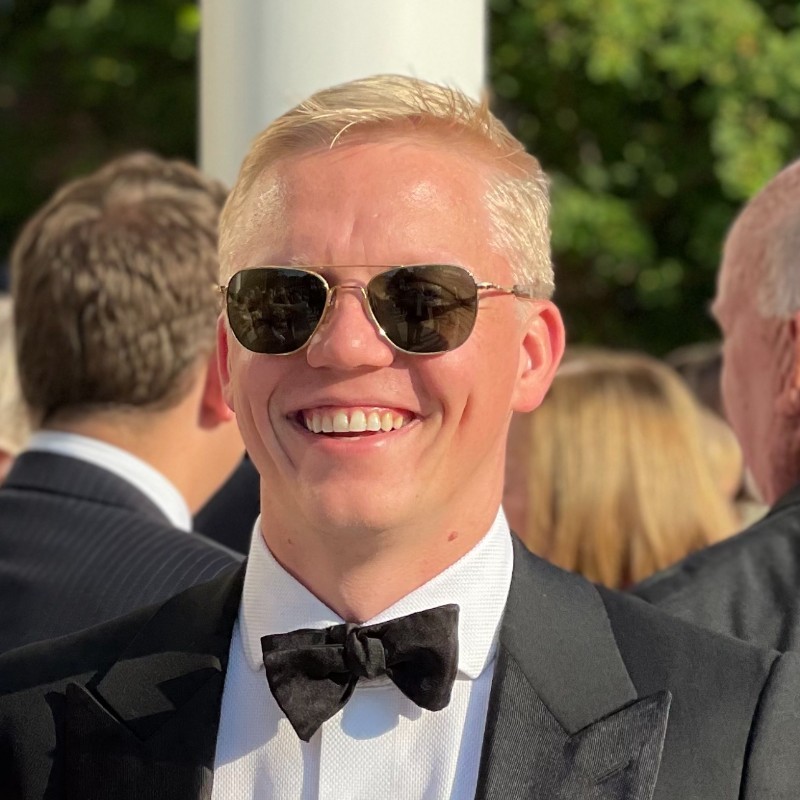
Ryan Cagney
Government Affairs
Ryan Cagney
15+ Years Texas Government Relations

15+ years Texas government relations at federal, state, and local levels. Permitting, legislative engagement, and stakeholder alignment for major industrial development.

John Autenreith — Program Execution. The translation from plan to physical reality is where most complex industrial projects break. Autenreith's background is specifically in executing at that intersection — large-scale infrastructure delivery under constraint, with no margin for schedule failure. As Country Director in Afghanistan, he directed multi-billion dollar infrastructure programs where supply chain, security, personnel, and budget complications are simultaneous and unrelenting. That background is what TMHG's phased buildout requires: disciplined execution of hard physical problems where the cost of failure is real.
Dennis Nall — Federal Strategy & Business Development. Tens of billions in career federal contract capture and operation, combining legal, economic, and technical depth with direct operational experience as an Army aviation officer. Nall positions TMHG for government contract entry — not as a first-time defense entrant navigating an unfamiliar system, but as an organization with deep institutional knowledge of how the federal acquisition ecosystem operates at scale. His JD and economics background provides the framework for structuring TMHG's relationship with the defense procurement system in a way that creates long-term program alignment.
Ryan Cagney — Government Affairs. A shipyard of this scale requires coordinated engagement with federal, state, and local government bodies across permitting, environmental review, infrastructure, and legislative support. With 15+ years of Texas government relations experience across all three levels, Cagney navigates that landscape from a position of existing relationships. This is not a lobbying function — it is operational alignment of governmental processes with the execution timeline, ensuring permits, approvals, and stakeholder relationships advance in parallel with physical construction.
Foundation

WHERE THIS COMES FROM

Progress is not inherited automatically. It is built deliberately — by standing on shoulders and accepting the burden to do better.

Commercial Marine
Generations of Gulf Coast Operations

Two members of the founding team come from multi-generational Gulf Coast marine and energy families — commercial marine services, vessel operations, and marine fuels built across decades of family enterprise.

Not Sentiment — Strategy
Heritage as Competitive Advantage

Generational marine operating experience translates directly into the commercial relationships, market knowledge, and operational credibility that no newly formed entity can manufacture from scratch.

Multi-generational Gulf Coast marine heritage runs through the founding team. One founder's family built and continues to operate a commercial marine services business on the Gulf Coast across four generations. Another founder grew up working alongside his father, who built and ran vessel operations, marine fuels, and petrochemical trading companies from deck to C-suite. These converging lineages deliver deep, firsthand knowledge of what customers in the brownwater and commercial marine markets actually need — and the personal relationships with the people who need them.
Heritage is not a founding narrative — it is a structural asset. In the marine industry, relationships and operational credibility take decades to build. Competitors entering this market without that foundation must purchase or manufacture trust, which is expensive and slow. TMHG enters with relationships already in place, a multi-generational track record of operating in the industry, and knowledge of the regional market that cannot be replicated through capital alone.
Continuity How Does Heritage Fit a Disruption Story?
The Question

TMHG is building a greenfield fourth-generation shipyard — a radical disruption of American shipbuilding. How does a heritage narrative fit with that thesis?

Heritage provides the credibility and relationships that a pure disruption play cannot access. The defense contracting system, the Jones Act commercial market, and the brownwater marine industry all run on long-standing relationships and demonstrated operational track records. A team of technologists and financiers without roots in the industry would face a years-long credibility deficit before winning their first contract. TMHG arrives with those relationships already in place — not despite its heritage, but because of it. The disruption is in the production model. The continuity is in the people and relationships.

Why This Team

INTENTIONAL COMPOSITION

Industrial Operations
Scale Execution at the Highest Level

Coalition theater logistics command is the closest operational analogue to building and running a major industrial platform under pressure with committed timelines and zero tolerance for failure.

Defense Technology
The DoD Pipeline from the Inside

Access to the defense acquisition system requires more than a proposal. It requires relationships inside the procurement structure and direct knowledge of how programs move from concept to contract.

Regulatory Navigation
Government Relations as Execution Infrastructure

A project of this scale lives or dies on its ability to move permits and approvals in parallel with physical construction — not sequentially after it stalls.

General Diamond's role is to architect the organizational structure, mentor the next generation of leadership, and build the institutional foundation that ensures the company's long-term trajectory is not dependent on any single individual. His background spans both large-scale military logistics and corporate organizational design — the specific combination required to stand up a complex industrial operation from scratch. Equally important, he is developing and deploying the founding team and early hires most effectively against the challenges the organization must overcome. The result is an institutional capability that endures independent of any single individual: a leadership pipeline, an operational playbook, and a succession framework that outlasts the launch phase.
The defense procurement system is not accessible to outsiders. The path from capability demonstration to awarded contract in the defense market requires navigating qualification requirements, program relationships, and acquisition processes that take years to learn. Colonel Pulikkathara's Defense Innovation Unit background provides direct experience with technology sourcing and procurement pathways — and positions the company as a credible defense industrial partner from the earliest stages of the buildout.
Permitting, environmental review, and legislative support are execution-critical, not administrative formalities. A shipyard of this scale generates significant regulatory complexity across multiple levels of government. Each process runs on its own timeline, and any one of them can delay the physical project if it falls behind. Cagney's role ensures these processes run in parallel with construction — managed as active operational dependencies, not as background processes.
The Composition Is Intentional

The founding team was assembled to cover the full stack of what this project actually requires — industrial operations, defense technology, marine commerce, program execution, federal BD, and government affairs. Each member covers a domain that cannot be hired away or outsourced at the critical stage of company development. That is the design.

Image: Higgins shipyard workers, New Orleans, 1943 — John Vachon / Office of War Information / Library of Congress, Public Domain.